· James Torr · Personal
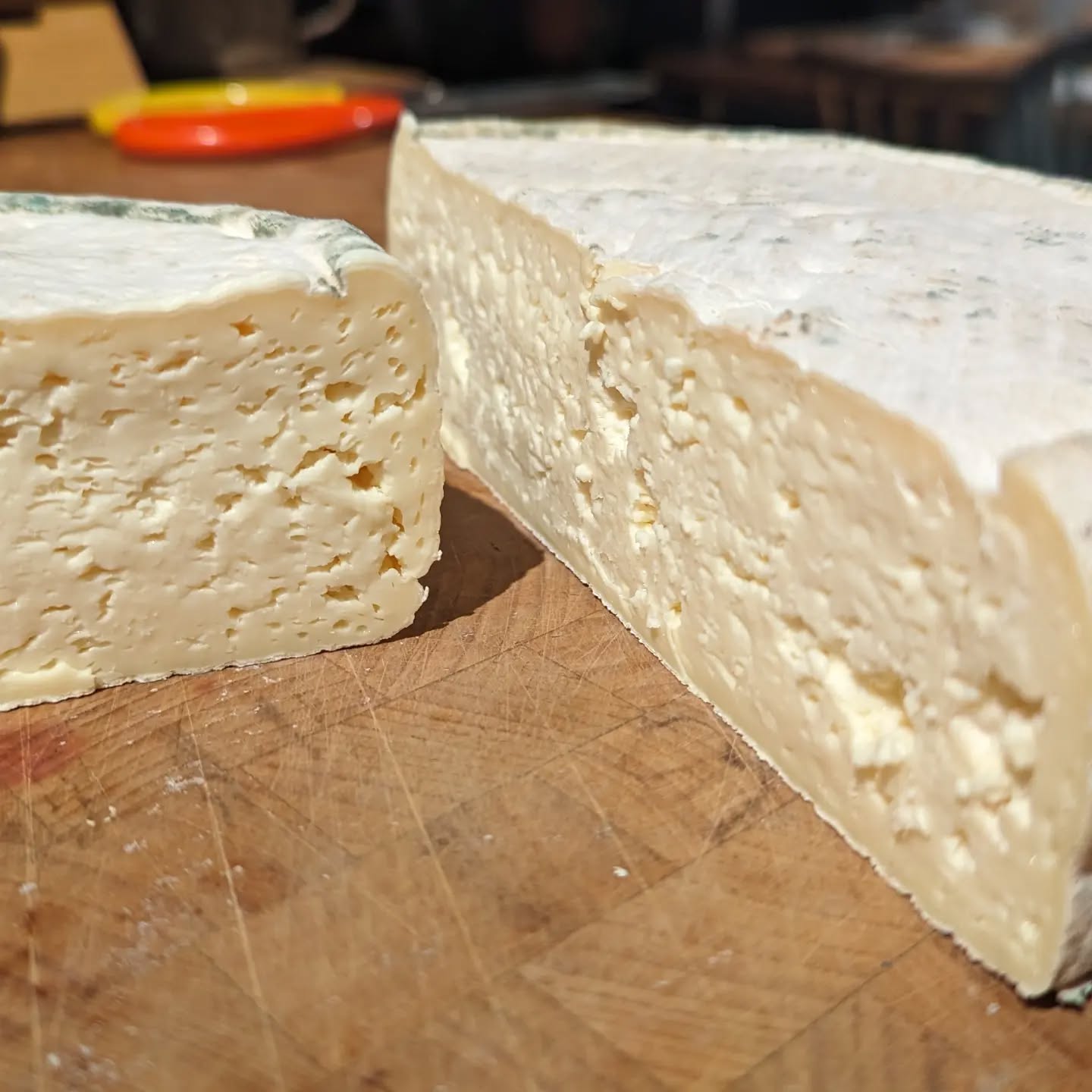
This is the follow up to the Caerphilly cheese.
This is the follow up to the Caerphilly cheese. Looks and tastes pretty delicious: rich, a little funky, creamy. Super happy with it!
This is the follow up to the Caerphilly cheese. Looks and tastes pretty delicious: rich, a little funky, creamy. Super happy with it!
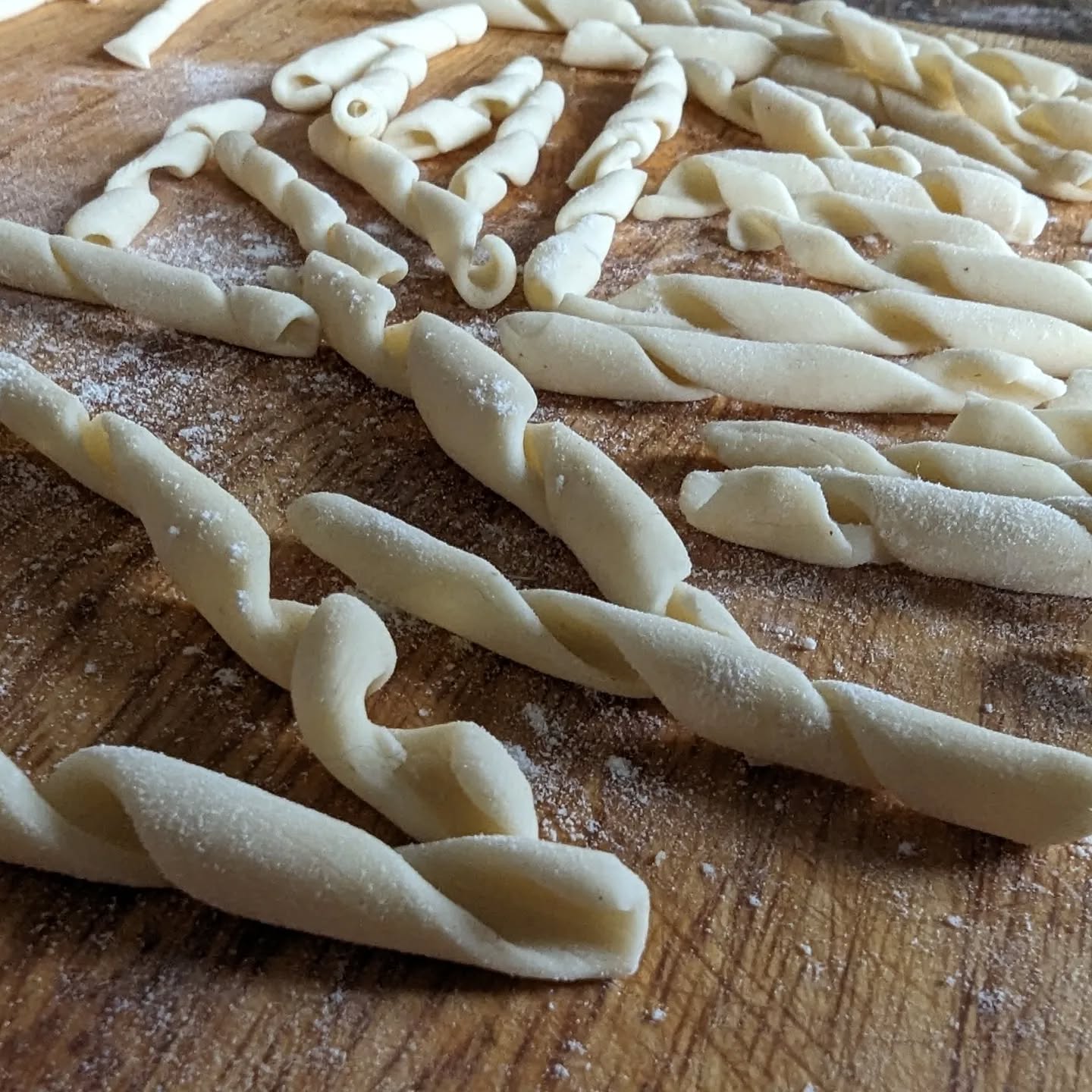
Fresh pasta making afternoon yesterday, these were busiate shapes. Sauce was puttanesca, it came out very rich and slightly over seasoned. The dough was the southern Italian style: 100g flour, 50g water per person. I made this in my food processor but it's a funny dough, starting off very crumbly, like sand, then coming together after a bit of a rest and some encouragement. I'd be tempted to mix for a few minutes in the processor then hand knead next time.
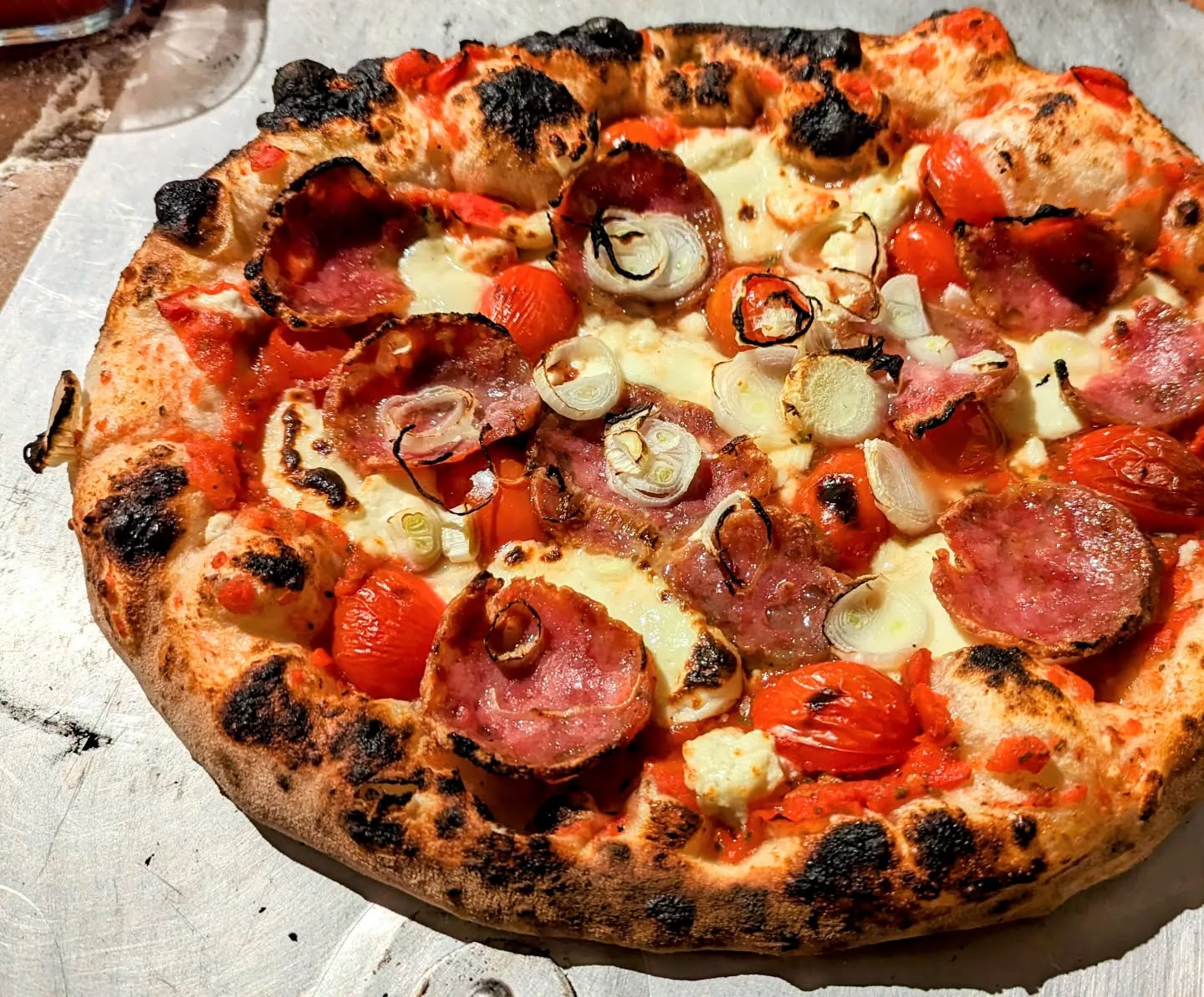
I bore the freezing cold and made myself a pizza. Turned out rather well! Probably didn't need so much on top, but apart from that, good stuff. Homemade mozzarella and feta-like cheeses, as well as some nice salami my buddy Evan made in Italy. Happy Monday folks!
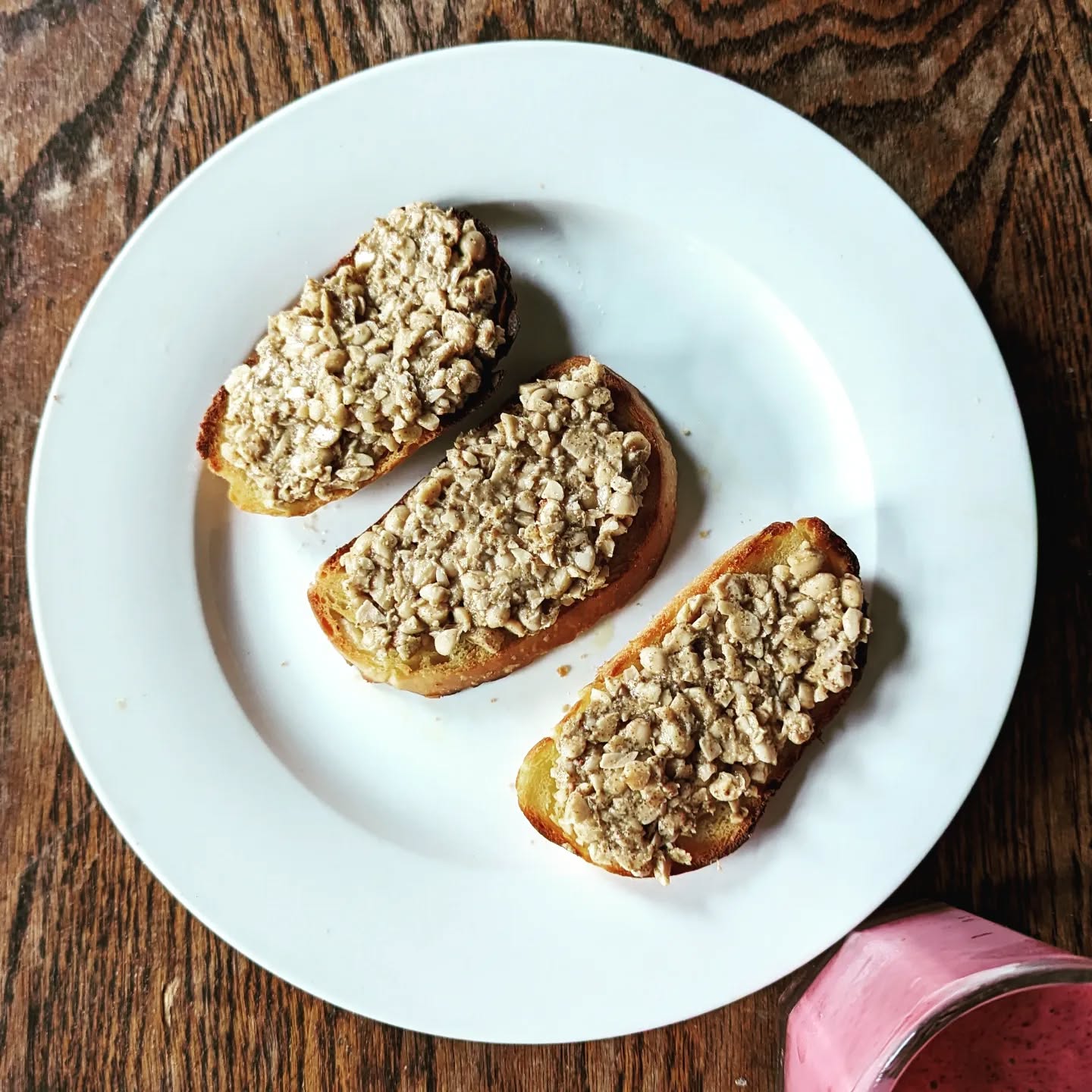
Nice natto idea from @nattodad. Toast rubbed with garlic after toasting with some rapeseed oil. Natto mixed with a tbsp of home fermented whole grain mustard, a tsp each of cider vinegar and soy. Yum! The home made batch wasn't at all slimey after a few days in the fridge.
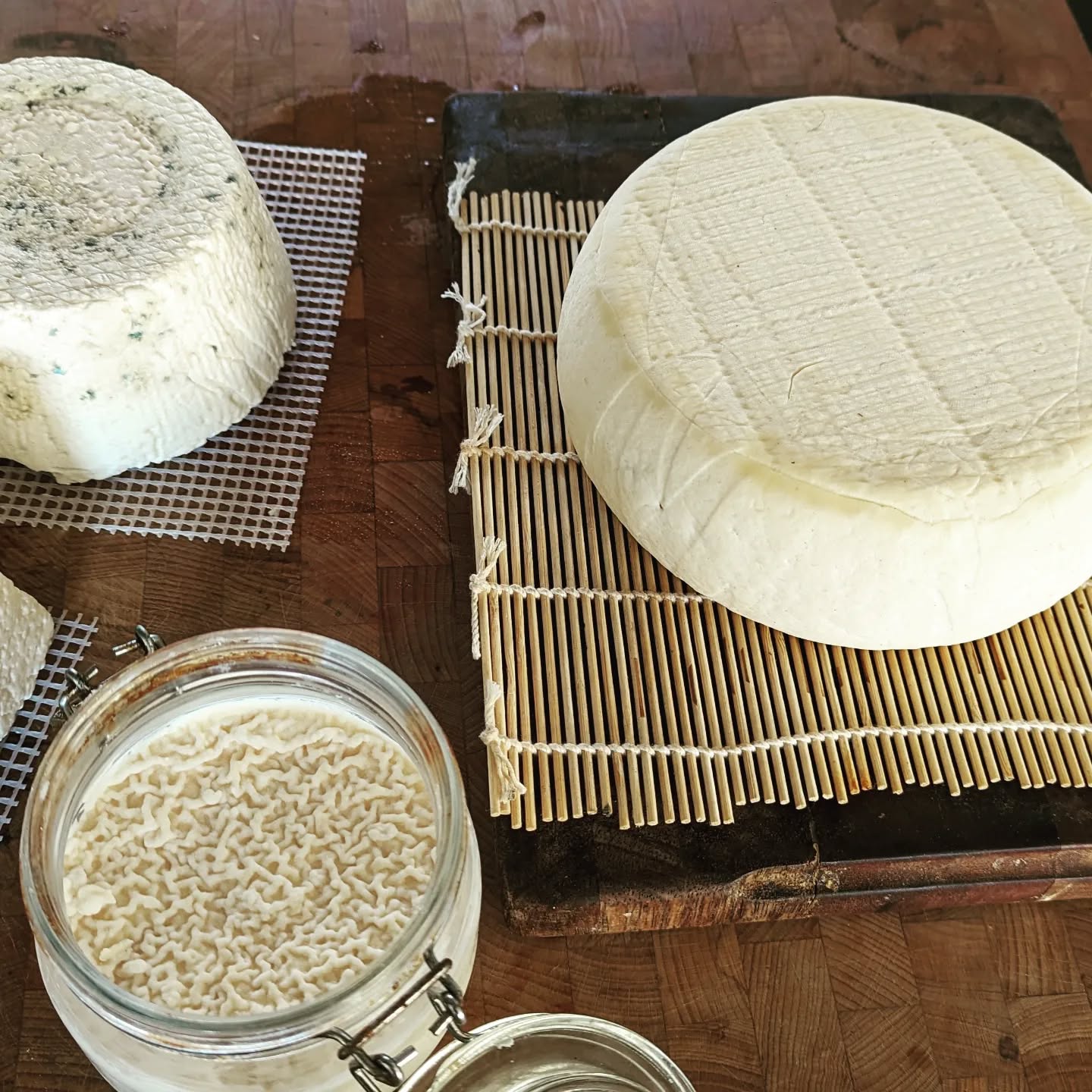
My recent foray into cheesemaking. From top left in the cover photo: Bel Paese, Caerphilly, Marcellin. There's a nice book called The Art of Natural Cheesemaking that I started with. His approach is very much avoiding the sterile modern approach, also found in modern beer making, and using diverse microbial cultures found in raw milk and kefir to produce interesting and characterful cheese. I used my "house" amasi culture which I've had for 18 months or so now, a South African lacto ferment that has seemed to have survived better than any other I've used.
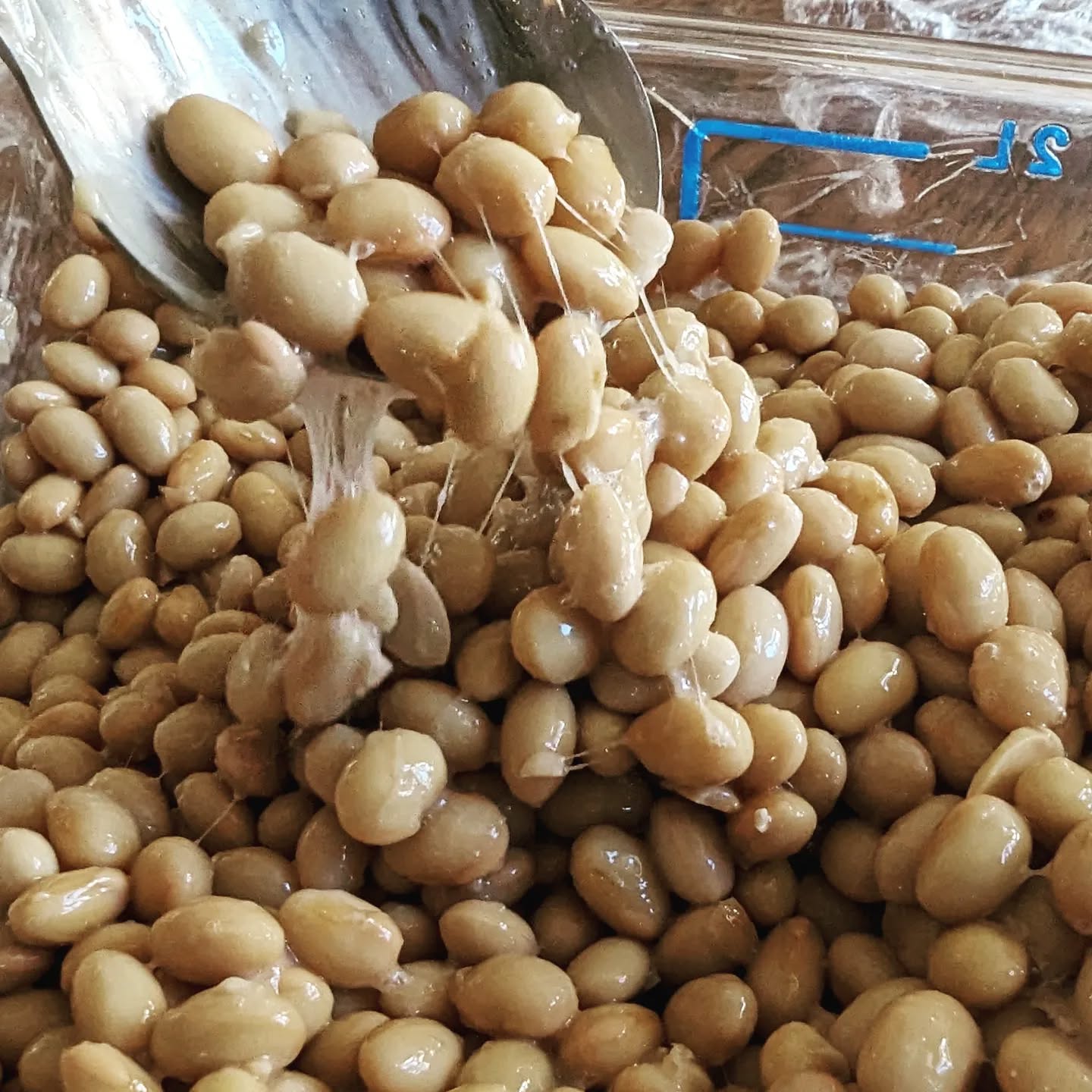
This rather sticky looking stuff is natto. Fermented soybeans with Bacillus bacteria. It's chock full of some pretty healthy nutrients (Vitamin K2, nattokinase and others), and is traditionally eaten for breakfast in Japan. Just a few tablespoons mixed with a tare (sauce) of soy, mustard and mirin. The latter can be subbed with a pinch of sugar, msg and a tsp of water.